Heart Attack Symptoms in Women You Shouldn't Ignore
Heart disease is one of the leading causes of death among women worldwide. Yet many women do not recognize the early warning signs of a heart attack because the symptoms can differ from those experienced by men. Understanding Heart Attack Symptoms in Women You Shouldn't Ignore is crucial for early detection and timely medical intervention.
Many women expect a heart attack to present as sudden, severe chest pain, but this is not always the case. In reality, Heart Attack Symptoms in Women You Shouldn't Ignore may appear as subtle discomfort, unusual fatigue, or shortness of breath. Because these symptoms can sometimes resemble common conditions such as stress, indigestion, or fatigue, they are often overlooked. Recognizing these warning signs early can help women seek medical care quickly and potentially prevent serious complications.
Heart Attack Symptoms in Women You Shouldn't Ignore
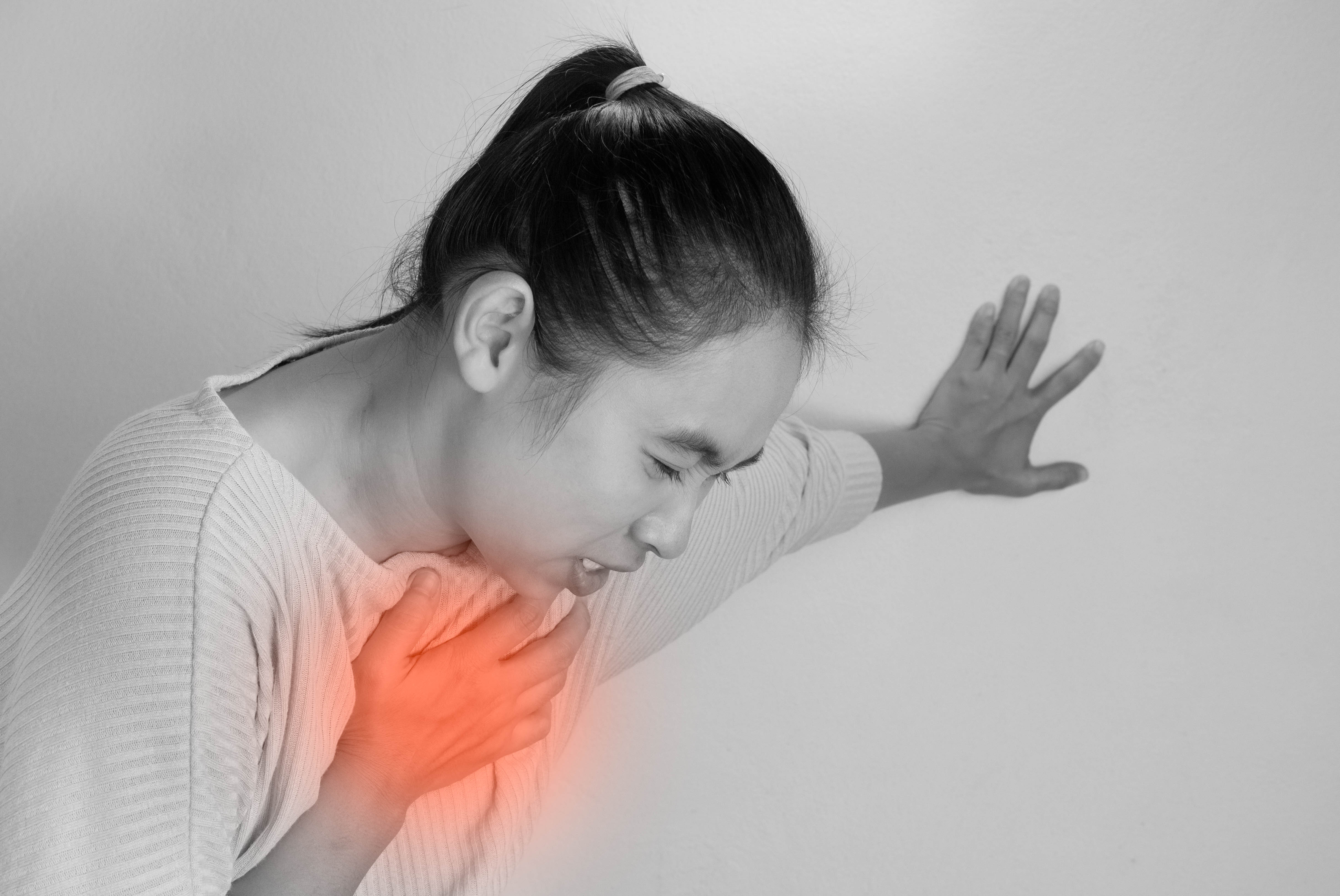
Knowing Heart Attack Symptoms in Women You Shouldn't Ignore can help women identify when something is wrong and seek medical help immediately. Although chest pain is still one of the most common symptoms, women may experience several other warning signs that should not be dismissed.
1. Unusual or Extreme Fatigue
One of the most common early signs of a heart attack in women is sudden and unexplained fatigue. Many women experience tiredness in daily life, but heart-related fatigue often feels different.
Warning signs include:
- Feeling unusually tired after routine activities
- Experiencing fatigue without physical exertion
- Difficulty performing simple tasks due to exhaustion
- Fatigue accompanied by sleep disturbances
If this type of fatigue appears suddenly or becomes severe, it should be evaluated by a healthcare professional.
2. Neck, Jaw, or Back Pain
Pain in the neck, jaw, or upper back is another symptom that can signal a heart attack in women. Unlike the classic chest pain associated with heart attacks, this discomfort may appear gradually or suddenly.
Women should pay attention to:
- Persistent pain in the upper body
- Pain that spreads from the chest to the neck or jaw
- Unexplained back discomfort
These symptoms can sometimes wake a person from sleep and should never be ignored.
3. Shortness of Breath or Cold Sweats
Another warning sign among Heart Attack Symptoms in Women You Shouldn't Ignore is sudden difficulty breathing. Women may feel breathless even without physical exertion.
Common signs include:
- Shortness of breath without activity
- Feeling unable to take a deep breath
- Sudden cold sweating unrelated to heat or exercise
- A sensation similar to extreme stress or anxiety
Shortness of breath combined with other symptoms may indicate a heart problem and requires immediate medical attention.
4. Stomach Pain or Nausea
Heart attack symptoms in women sometimes resemble digestive problems. This can cause many women to mistake heart-related pain for conditions such as heartburn, gastritis, or stomach infections.
Possible symptoms include:
- Persistent stomach discomfort
- Nausea or vomiting
- Abdominal pressure or heaviness
- A burning sensation similar to indigestion
Because these symptoms can be misleading, it is important to consult a doctor if they occur along with other warning signs.
5. Chest Pain or Discomfort
Although chest pain may be less dramatic in women than in men, it remains a key symptom. Women may describe it differently, such as pressure, tightness, or a squeezing sensation.
Chest discomfort may:
- Occur in the center or side of the chest
- Feel like pressure or fullness
- Come and go gradually
- Spread to the shoulder, neck, or arm
Even mild chest discomfort should be taken seriously and evaluated by a healthcare professional.
What Causes Heart Attacks in Women?
Several underlying conditions can lead to heart attacks in women. Understanding these causes helps in recognizing risk factors early.
Coronary Artery Disease
Coronary artery disease occurs when plaque builds up in the arteries that supply blood to the heart. This buildup restricts blood flow and increases the risk of heart attacks.
Coronary Artery Spasm
In some cases, the coronary arteries temporarily tighten or spasm, reducing blood flow to the heart muscle. This condition can trigger heart attack symptoms even in the absence of major blockages.
Microvascular Disease
This condition affects the small blood vessels of the heart and is more common in women. It may lead to reduced blood supply to the heart muscle and increase the risk of heart attacks.
Stress-Induced Cardiomyopathy
Also known as broken heart syndrome, this condition occurs when intense emotional or physical stress temporarily weakens the heart muscle. It can produce symptoms similar to a heart attack.
Hormonal and Age-Related Factors
Hormonal changes, particularly during menopause, can increase the risk of heart disease in women. Pregnancy-related conditions such as gestational diabetes or preeclampsia may also contribute to long-term heart risks.
What to Do if You Notice Heart Attack Symptoms
Recognizing Heart Attack Symptoms in Women You Shouldn't Ignore is only the first step. Acting quickly can save lives.
If symptoms appear, the following actions are recommended:
- Seek emergency medical help immediately
- Avoid physical exertion and try to remain calm
- Sit or lie down in a comfortable position
- If advised by a doctor, chew aspirin to reduce clot formation
- Inform family members or nearby people about the symptoms
Prompt medical treatment can reduce damage to the heart and improve recovery outcomes.
How Women Can Reduce the Risk of Heart Attacks
Preventive care plays a major role in protecting heart health. Women can lower their risk of heart disease by adopting healthy lifestyle habits.
Important preventive measures include:
- Maintaining a balanced and nutritious diet
- Exercising regularly
- Managing stress effectively
- Avoiding smoking and limiting alcohol consumption
- Monitoring blood pressure and cholesterol levels
- Maintaining a healthy body weight
- Undergoing regular health check-ups
Taking proactive steps toward heart health significantly reduces the likelihood of developing serious cardiovascular conditions.
When Should Women See a Doctor?
Women should consult a doctor if they experience symptoms such as unexplained fatigue, persistent chest discomfort, or shortness of breath. Early medical evaluation helps identify underlying heart conditions and prevent complications.
Regular heart health screenings are also recommended for women with risk factors such as high blood pressure, diabetes, obesity, or a family history of heart disease.
Conclusion
Understanding Heart Attack Symptoms in Women You Shouldn't Ignore can help women recognize early warning signs and seek timely medical care. Unlike the classic symptoms often associated with heart attacks, women may experience subtle signs such as fatigue, shortness of breath, nausea, or discomfort in the neck and jaw. Ignoring these symptoms can delay treatment and increase the risk of complications.
Prioritizing heart health through regular check-ups, healthy lifestyle choices, and awareness of symptoms is essential for preventing serious cardiovascular conditions. For individuals seeking professional medical evaluation and heart health support, Prudence Hospitals in Nizamabad provides comprehensive healthcare services, diagnostic facilities, and expert medical consultations to help detect and manage heart-related conditions effectively.